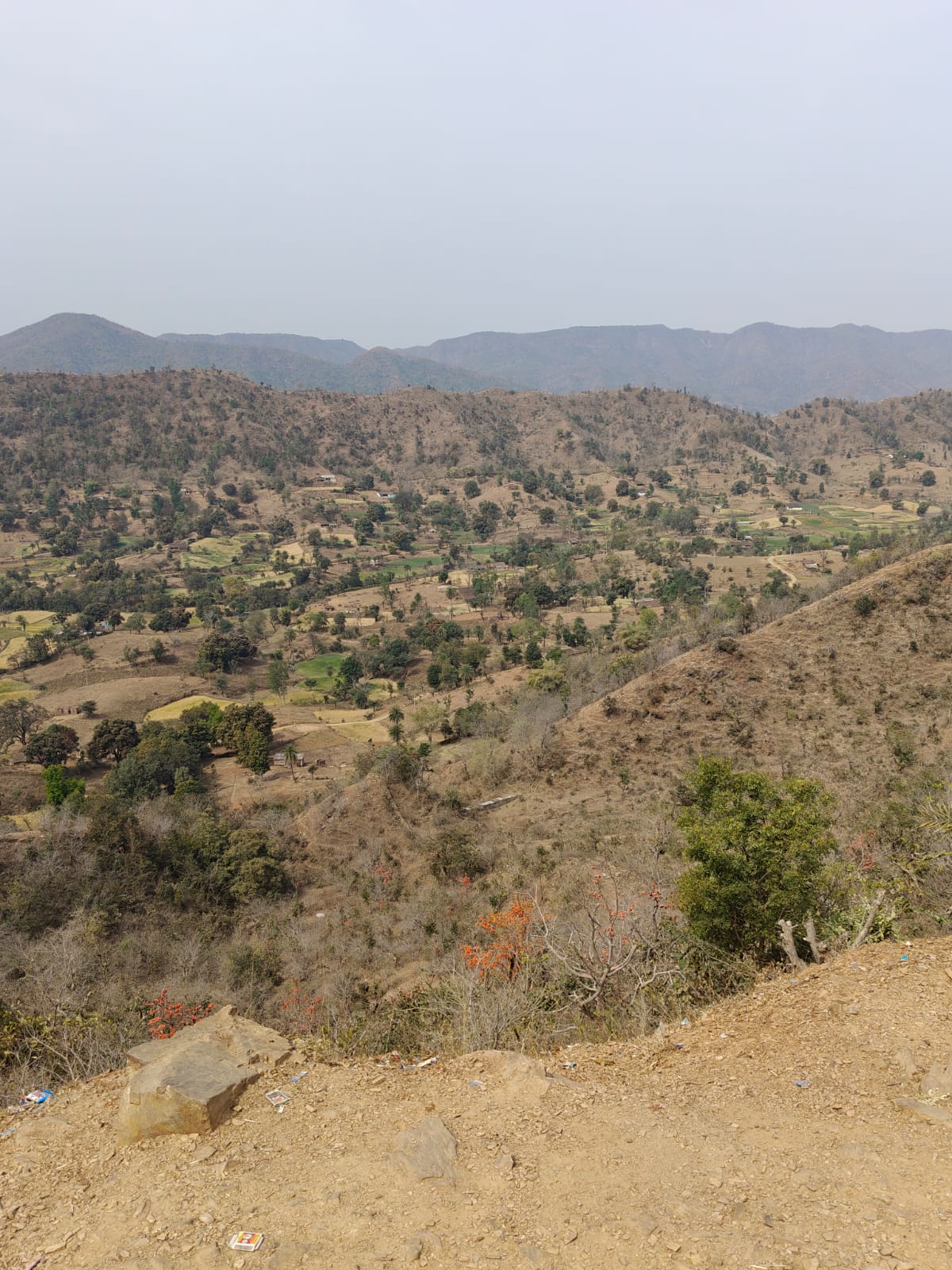
The First Steps into the Forest of Questions at Kaaya, Dehradun
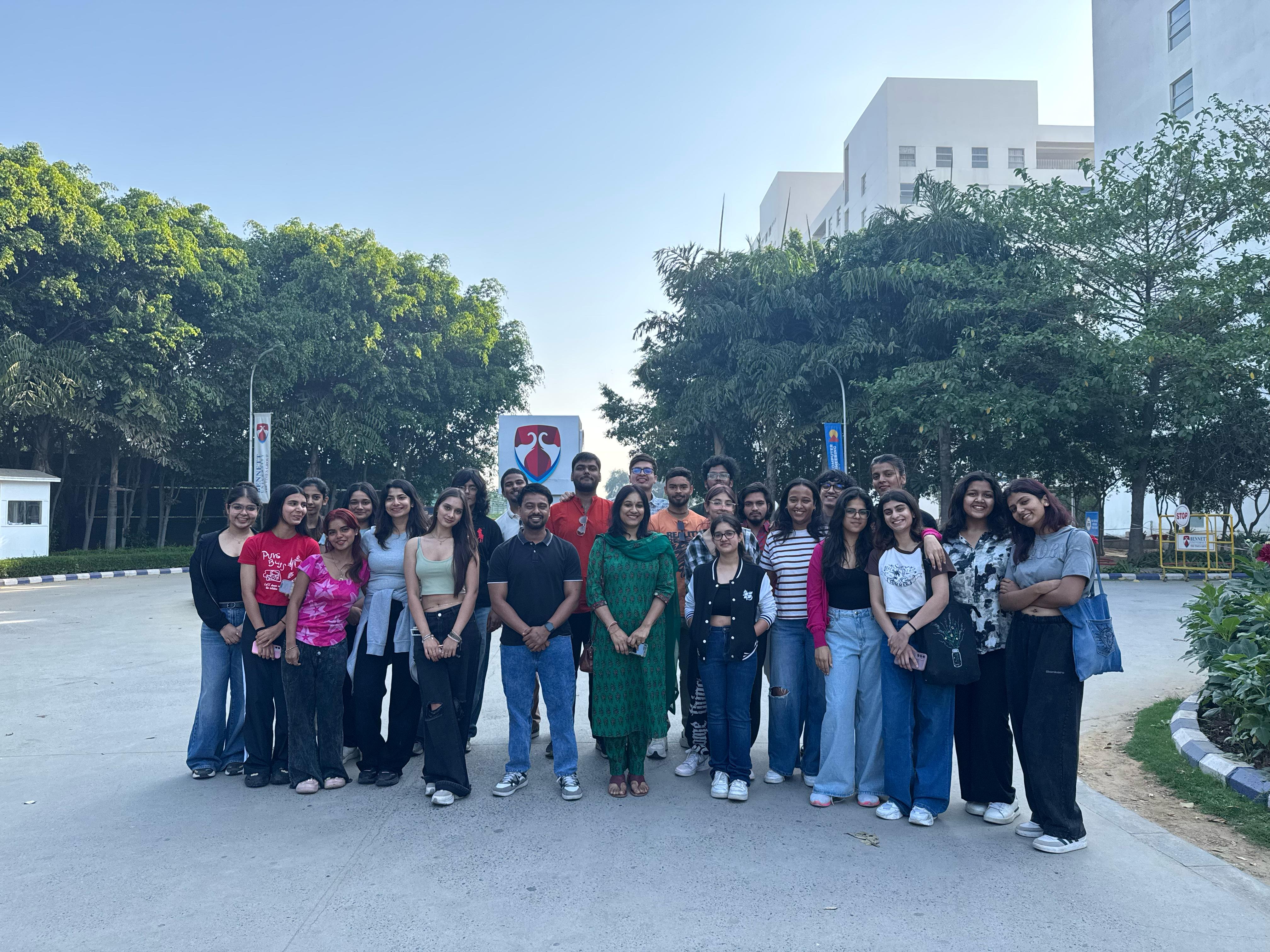
In March 2025, Inkaranya took its very first step into the real world. To test our vision of immersive, skills-based travel, we organized a two-day excursion for 20 students from the School of Liberal Arts.
Serving as our inaugural pilot exercise, we handled everything from the ground up—from student recruitment and proposal drafting to the coordination of the journey itself. Our destination was the Kaaya Learning Centre, nestled near Dehradun in Tilwari village. It was the perfect proving ground for what Inkaranya aims to achieve: practical, experiential learning outside the traditional classroom.
Immersing in Sustainable Living
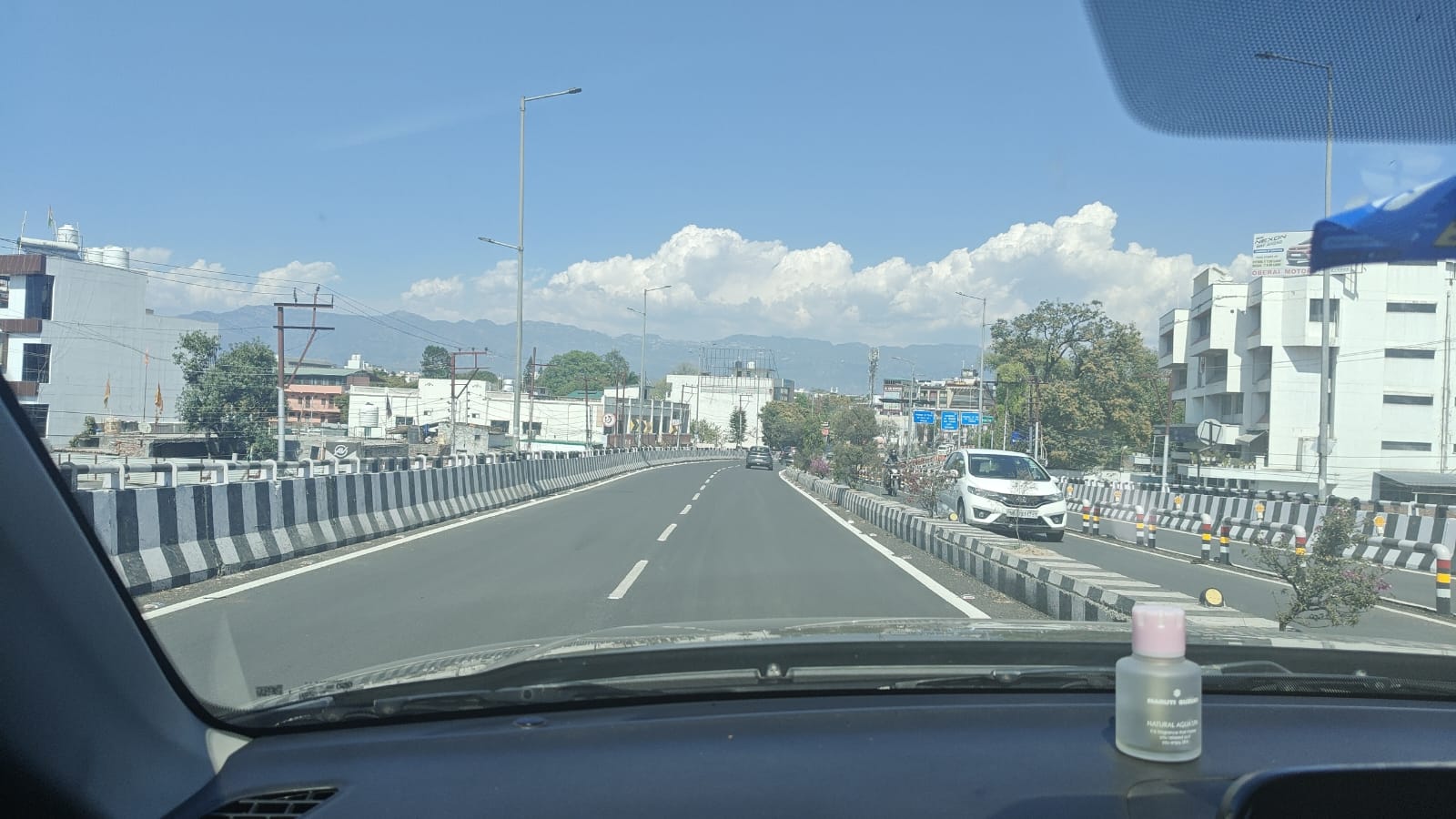
Following a 250-kilometre journey, our group was warmly welcomed by the center's founder, Mr. Santosh Passi. Our primary focus for the trip was a workshop on "design thinking." However, the learning started the moment we arrived.
Kaaya operates as a compelling model for sustainable development. Students were given a guided tour of the residential structures, which are built using traditional methods designed to foster harmony with nature. Through an introductory session, the students explored the underlying ideology of sustainability that drives the entire center.
Grassroots Connection and Real Stories
The core of any Inkaranya journey is engaging directly with local realities. On our second day, the students trekked to nearby villages to witness Kaaya’s community development initiatives firsthand.
A standout moment was meeting Asha Devi Ji, a local resident and beneficiary of an empowerment project launched on International Women’s Day. Previously lacking a consistent income source, she now operates a food stall offering local culinary specialties. She shared some of the jams she prepares using strawberries grown on her own farmland, and spoke about how the initiative provided her not just with regular income but with a vital sense of community and social interaction.
Later, the students engaged in a session exploring "Appreciative Inquiry"—a unique approach to change management that focuses on identifying and building upon the existing strengths within a community.
Culture, Cuisine, and Connection
True immersion requires experiencing the local lifestyle. We shared traditional Pahadi meals together, enjoying local staples like madwe ki roti and gahat ki dal. As the day wound down, we embarked on a hike to a hilltop in the village of Koti, completing the final steep ascent on foot.
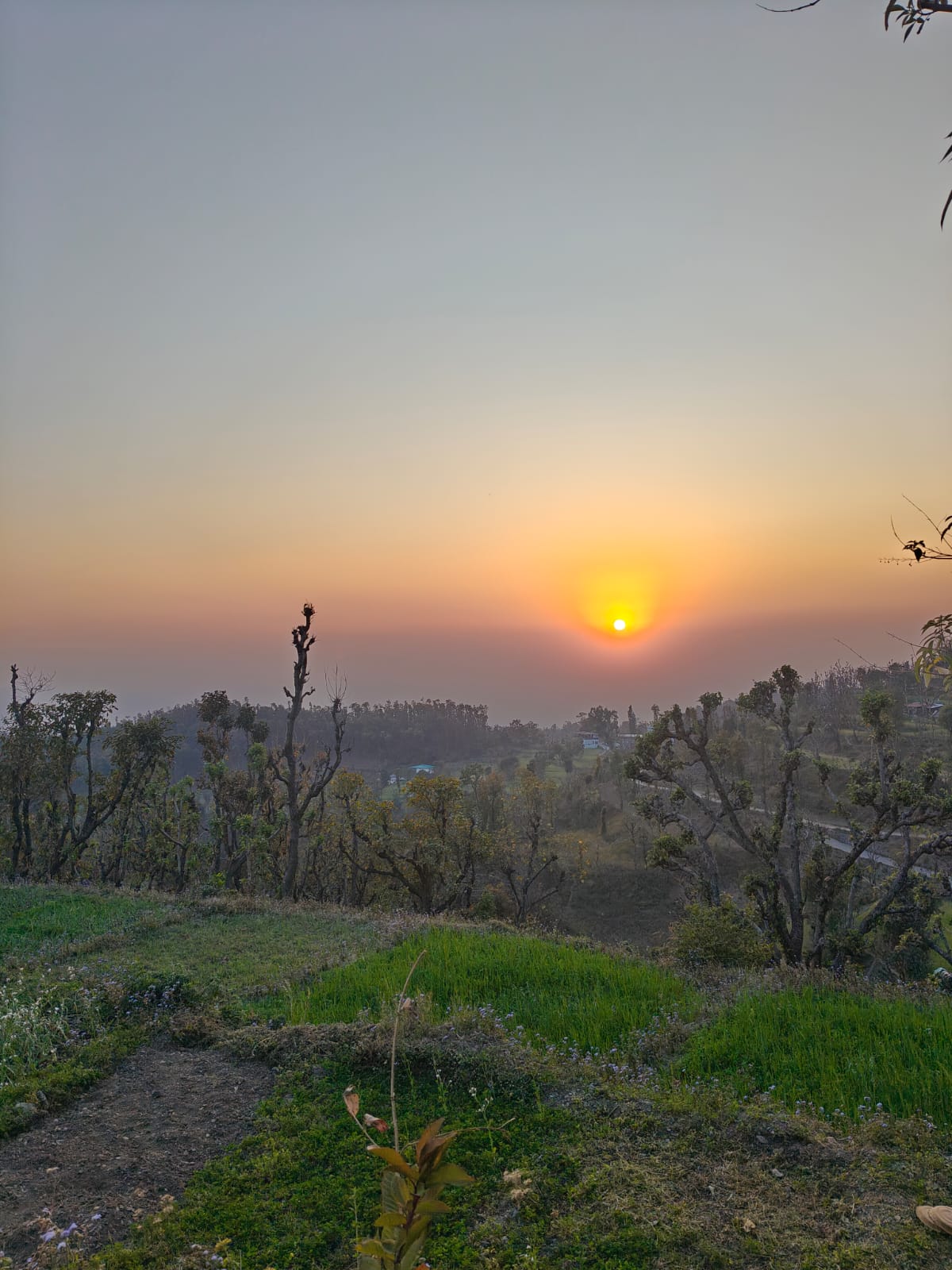
At this beautiful site—slated to become a "semi-survival camp" named Syarukhet Farm—we watched the sunset over the valley. We concluded the evening back at the centre with a bonfire, sharing stories, singing, and dancing under the stars.
Looking Ahead
Before our return journey, students shared their appreciation for the peacefulness and natural beauty they had experienced over the two days. For Inkaranya, this pilot trip was a massive success. It generated significant enthusiasm among the students for future experiential field trips.
More importantly, it proved that students have a deep, active desire to learn and absorb knowledge from the real world. This journey validated our mission, presenting a clear opportunity to develop more productive and memorable learning journeys for students across India. This is just the beginning.