The Roots of Resilience—Lessons from Seva Mandir, Udaipur
When we talk about the "real India," we often bypass the very communities that form its backbone. While tourists flock to Udaipur for its shimmering lakes and royal palaces, the true heartbeat of the region lies just beyond the city limits, nestled in the rugged Aravalli hills.
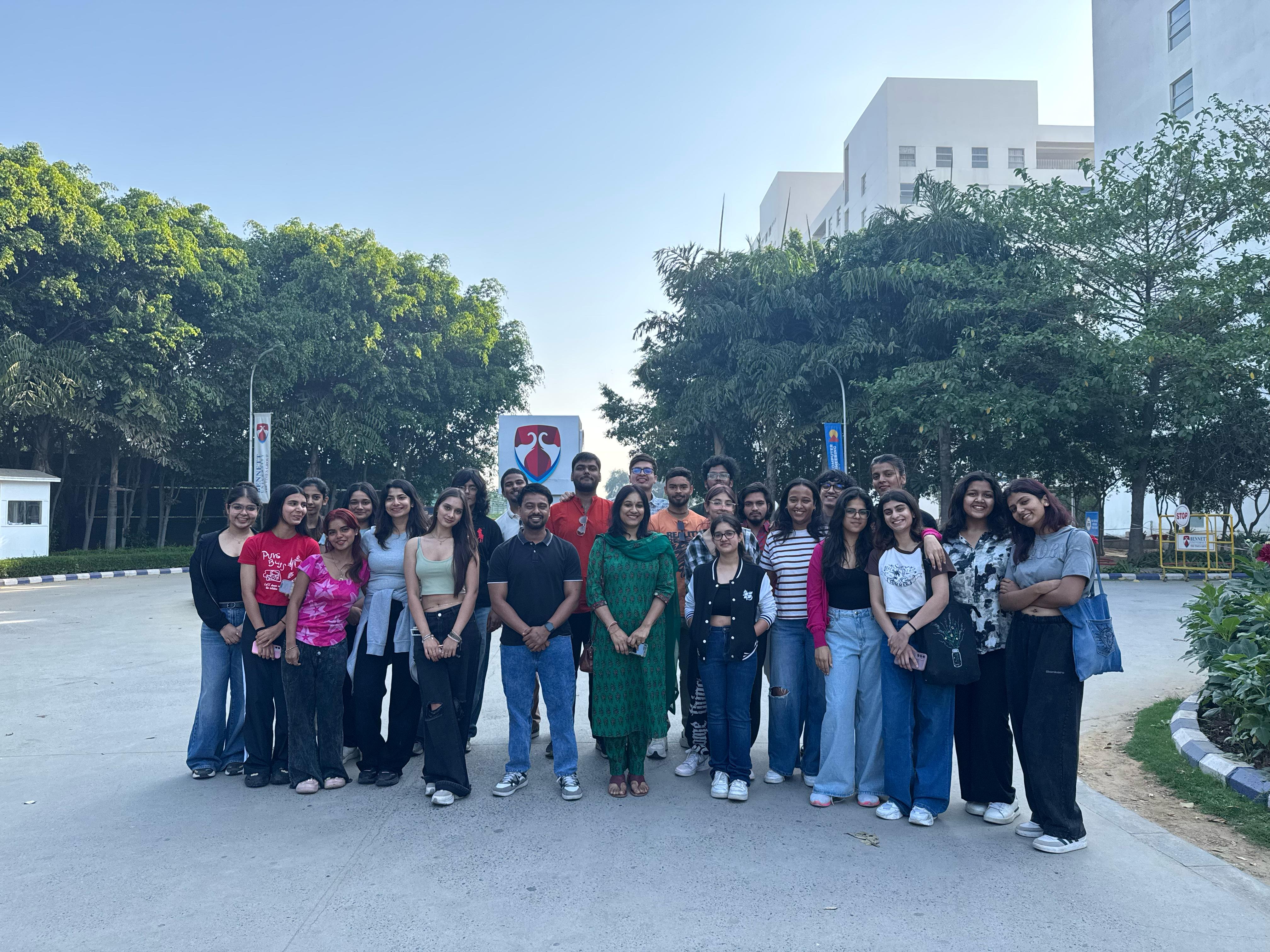
Recently, the Inkaranya team embarked on a two-day immersion into the rural and tribal heartlands of southern Rajasthan. Our destination was not a monument, but a movement: Seva Mandir.
Founded in 1968, Seva Mandir is a pioneering voluntary organization that has spent over five decades actively reshaping the landscape of rural development. Operating across 1,500 villages and engaging with over one million individuals, their work is a masterclass in community empowerment. For an organization like Inkaranya, which is built on the tri-junction of education, tourism, and community engagement, Seva Mandir serves as the ultimate living classroom.
Day 1: The Alchemy of Soil in Nogama
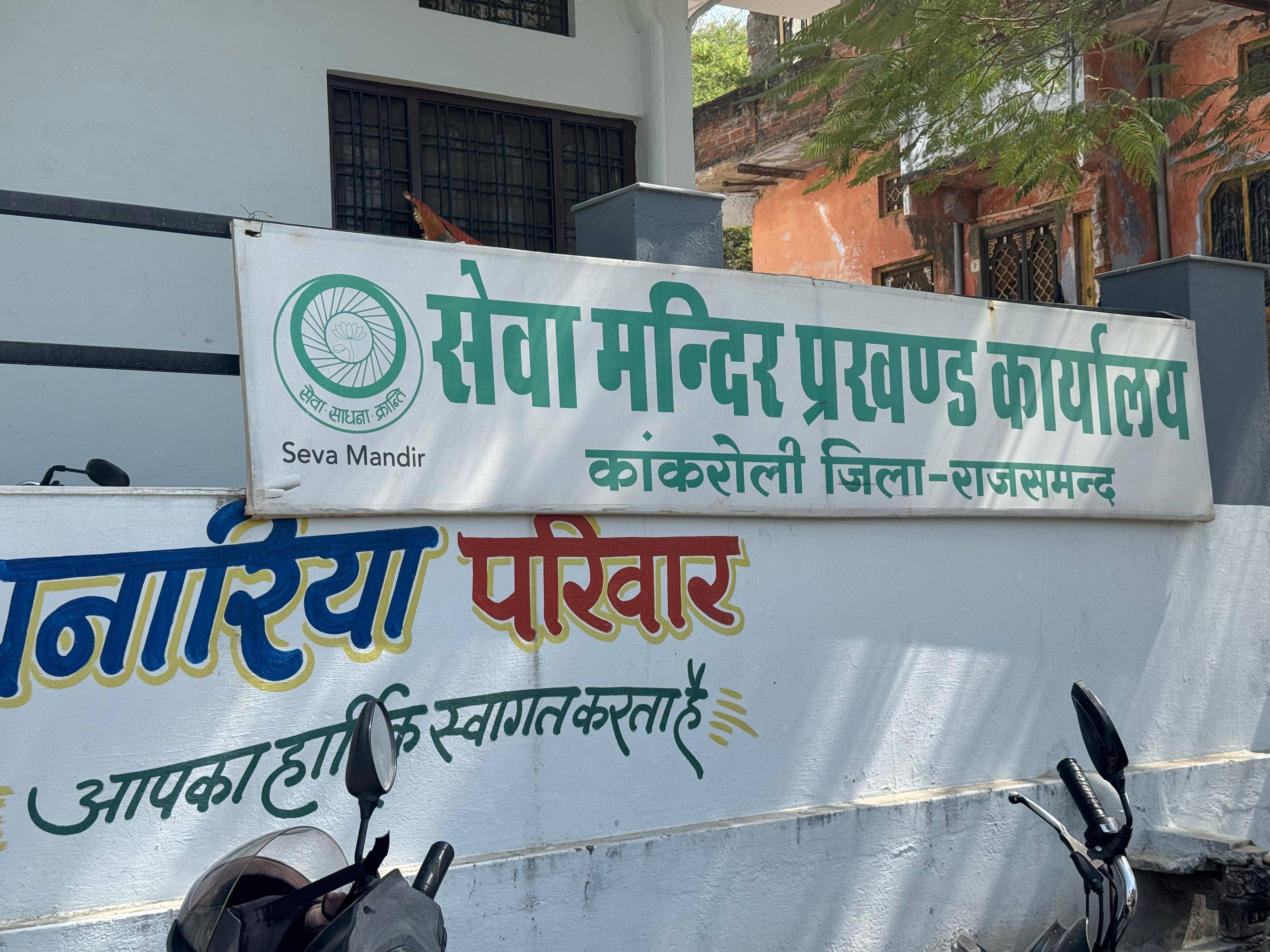
Our journey began at the Seva Mandir campus, a hub of activity that houses not only administrative offices but also the Kunzru Library and Sadhna, a vibrant women’s handicraft enterprise. Leaving the campus behind, we traveled 80 kilometers to the village of Nogama.
Here, the abstract concept of "sustainable agriculture" became tangible in the hands of a farmer named Lakshmi Narayan.
Before partnering with Seva Mandir, Mr. Narayan’s livelihood was a precarious gamble. Cultivating only wheat and corn, a single poor harvest could plunge his family into financial distress. Today, his farm is a thriving ecosystem of mixed cropping, yielding wheat, corn, fenugreek, and peas all on the same plot.
The secret to his success isn't expensive synthetic chemicals, but a powerful, home-brewed organic compost called Jeevamrit (Nectar of Life). Created by fermenting cow dung, cow urine, jaggery, and gram flour for 90 days, this mixture has completely revitalized his soil.
The financial impact is staggering. By producing his own organic enhancer, Mr. Narayan reduced his fertilizer costs from ₹200 per unit to a mere ₹30. It was a profound lesson in how localized, traditional knowledge, when supported by strategic guidance, can create immense economic and environmental resilience.
Day 2: The Women Empowering Panarwa
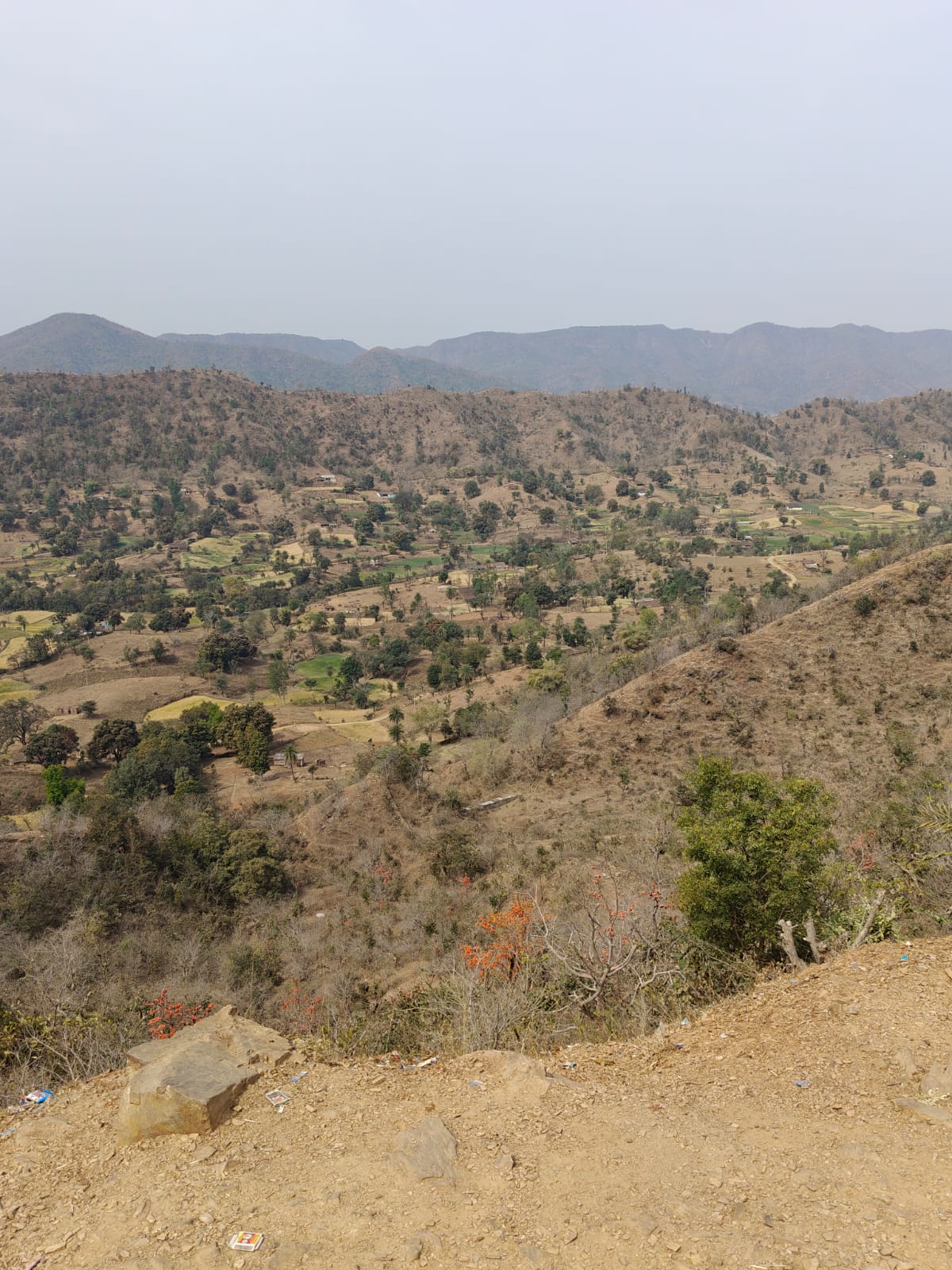
The next morning, we drove deeper into the Aravallis to the tribal village of Panarwa. The landscape here is dry and arid, presenting severe challenges for traditional agriculture. Yet, amidst this scarcity, we found an incredible story of female-led innovation.
We met Shmt. Radha Devi, the founder of the Gawri Millets cooperative. Started in 2021 with just seven women, the cooperative has exploded into a network of 100 farmers spanning 20 villages. Recognizing that the arid climate was perfectly suited for drought-resistant millets like jowar and bajra, these women took control of the entire supply chain—from production to distribution.
Operating out of Radha Devi’s home, Gawri Millets produces a highly sought-after range of products, including millet chocolates and laddoos. The economic transformation is undeniable: participating households have seen their annual incomes soar from ₹1 lakh to over ₹5 lakh. Their success even led them to a national exhibition in Delhi, where they presented their products to the Prime Minister.
Sitting down to a lunch of millet rotis and garlic chutney, entirely sourced from Panarwa’s own fields, we witnessed firsthand how empowering women at the grassroots level can uplift an entire regional economy.
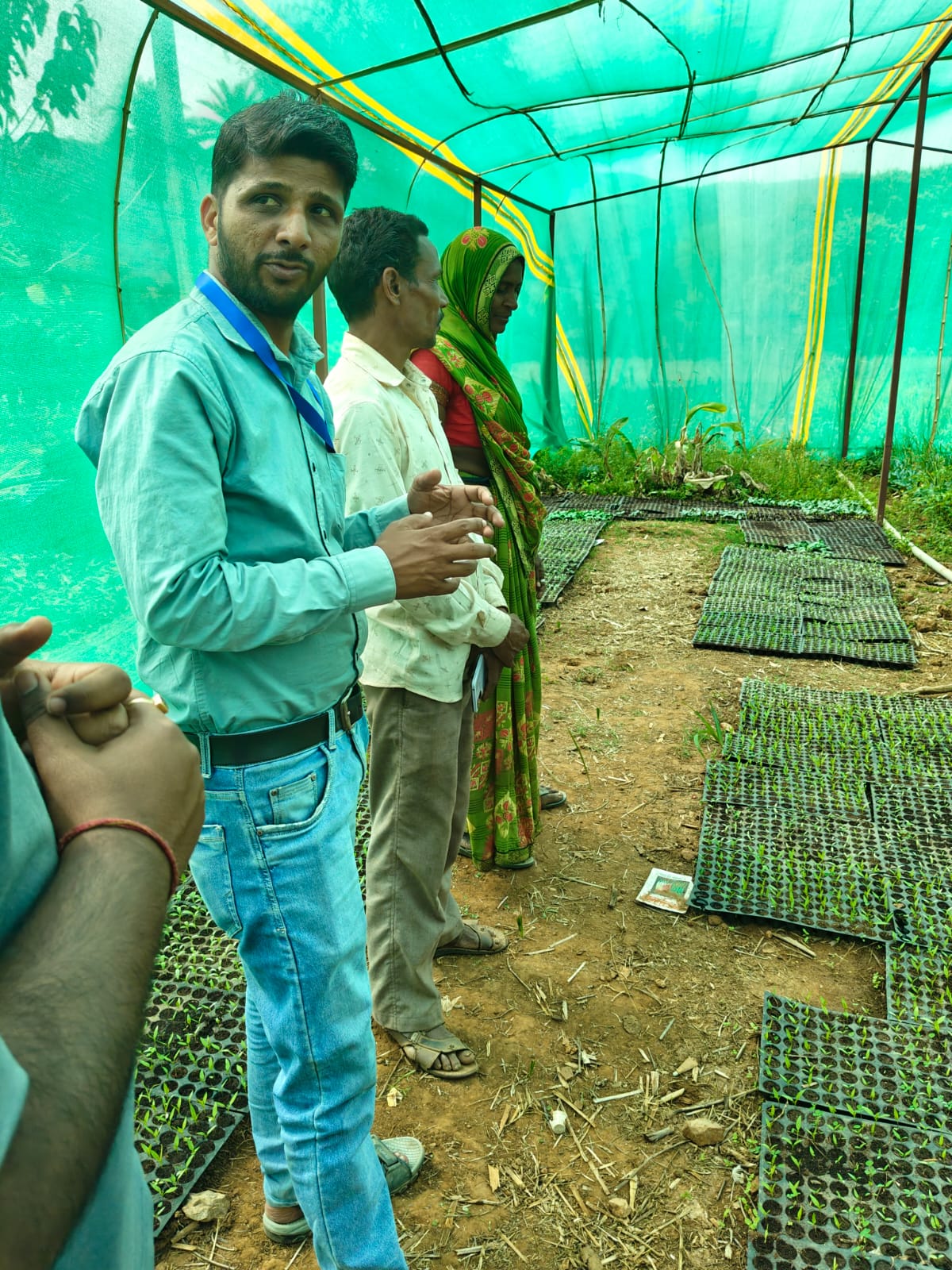
The Living Classroom
Our final stop was Mr. Baluram’s farm, located slightly uphill from Panarwa. Once dependent on traditional methods that yielded consistent losses, his farm is now a testament to modern agricultural science. Utilizing dibbling, multi-level cropping, and drip irrigation, his yields have surged from 40% to nearly 70%. He even operates a Bio Resource Centre at his farm’s entrance, producing organic pesticides to share with the community.
The stories of Lakshmi Narayan, Radha Devi, and Baluram are not just isolated success stories; they are replicable models of sustainable development. Seva Mandir does not simply provide charity; they provide the scaffolding for communities to build their own futures.
For global learners, university students, and curious travelers, this is the true essence of Inkaranya. A trip to Seva Mandir transcends standard tourism. It is a rigorous, eye-opening case study in how to tackle systemic issues like agricultural inefficiency and economic marginalization.
By stepping out of the classroom and into the field, we don't just learn about the world—we learn how to change it.